Guides / Buying & Budget
Buy or rent an LED screen in Nepal? A decision framework
6 min read · Updated October 2026
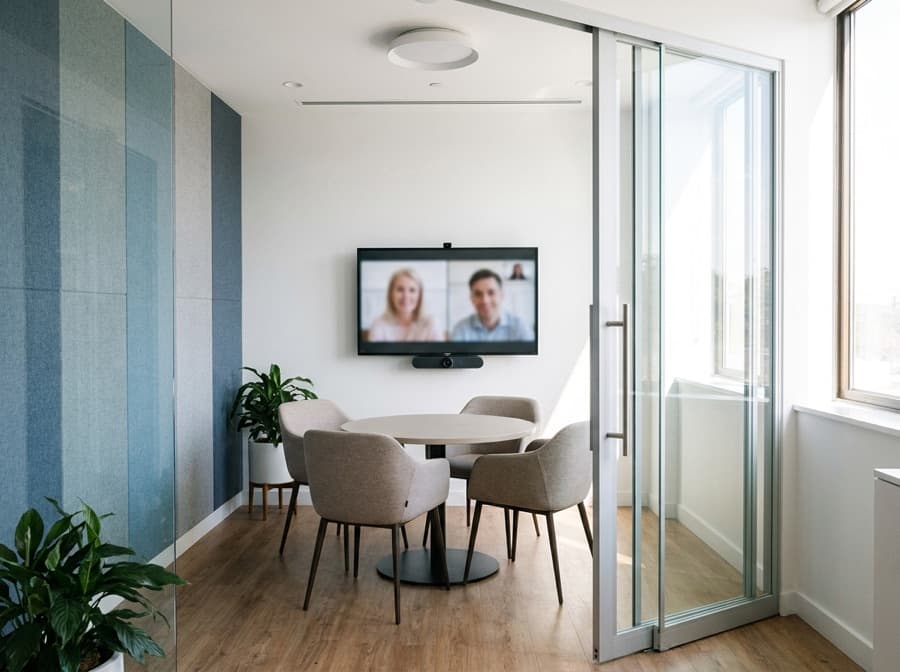
Rent an LED screen when you need it for occasional events, in different places, or at a size you will not need every week. Buy when the screen will stay in one place and run most days, or when you hire screens so often that the rental bills add up to a meaningful share of ownership. Between those poles, the deciding factors are how often you use it, whether it moves, who will set it up, and where it lives between uses.
When does renting make more sense?
Renting makes sense when use is occasional, the size or location changes each time, or you are not yet sure what you need. A company holding an annual conference, a family planning a wedding, or an organiser running a one-off concert gets a screen sized for that day, delivered, rigged, run by a technician and removed afterwards.
Renting also transfers risk. The rental company carries the cost of spares, repairs, transport damage and storage, and supplies the processor and operator. In Nepal, where events cluster heavily around Dashain, Tihar and the wedding seasons, a good rental company has already solved the logistics of moving panels on hill roads and setting up on uneven ground.
Our guide to LED screen rental in Nepal covers what to ask a rental supplier and how to size a screen for an event.
When does buying make more sense?
Buying makes sense when the screen stays in one place and is used most days: a lobby wall, a boardroom, a shopfront, a menu board, a school notice screen or a DOOH billboard. A permanent screen is built for that site — the right pitch, brightness, structure and control system — and it runs every day without set-up cost.
It also makes sense for venues that hire screens repeatedly. A party palace or hotel ballroom that hires a screen for most weekend bookings is paying for set-up, transport and a technician every time; a fixed screen removes those costs and becomes part of the venue’s offer. The same logic applies to churches, monasteries and colleges with regular assemblies.
What about buying a screen to take to events yourself?
Buying rental-grade panels for your own events is a third option, and it suits organisations that run many events but cannot rely on hired equipment. Rental panels are built differently from fixed ones: lighter die-cast cabinets, quick locks, corner protection, and flight cases for transport.
The catch is that you take on everything the rental company did: storage, transport, rigging skills, a processor, spares and someone who knows how to run it. Event companies who do this as a business are the natural buyers; most other organisations are better off renting or installing a permanent screen. Mixing the two — buying permanent indoor panels and moving them to events — damages them, because fixed cabinets are not designed for repeated handling.
How do you compare the two on cost?
Compare them over the same period and include everything. For renting, add up the events you expect in a typical year and what each one costs including transport and technician. For buying, take the full installed cost plus electricity, content, maintenance and, for outdoor screens, structure upkeep, spread over the years you expect to keep it.
If your yearly rental spend is small against the cost of owning, keep renting. If you are hiring most weeks, or the screen needs to be visible every day to do its job, ownership usually wins. We do not publish prices because both rental and installed costs depend on size, pitch, site and dates; our price guide explains what moves the numbers.
What practical questions decide it in Nepal?
Ask where the screen lives between uses, who sets it up, and how it gets there. Panels stored in a damp basement through the monsoon suffer; panels carried up a narrow staircase or on a pickup over a broken road suffer more. If you have no clean, dry store and no trained crew, renting is safer.
Power matters too. A rented screen comes with a technician who manages the load and the generator changeover; an owned screen used at a venue with unstable supply needs proper distribution and protection, or power supplies will fail early. Finally, think about content: someone has to prepare it at the right resolution, every time.
Can you start renting and buy later?
Yes, and for many organisations it is the sensible path. Renting a few times shows you what size, position and content actually work, which makes the eventual purchase far more precise.
When you are ready to buy, a site survey turns that experience into a specification. If you are on the rental side and want to compare a permanent installation with your current rental pattern, ask us for a survey and we will set out both options plainly.
The short version
- Rent for occasional events, changing locations or uncertain requirements.
- Buy when the screen stays in one place and runs most days.
- Venues that hire screens most weekends often do better with a fixed installation.
- Rental-grade panels are built for handling; fixed panels are not, so do not mix the two uses.
- Owning means owning storage, transport, crew, spares and power management.
- Renting first is a low-risk way to learn the size and content you really need.
Common questions
Is it cheaper to rent or buy an LED screen in Nepal?
For occasional events, renting is almost always cheaper because you pay only for the days you use it. If you hire a screen most weeks, or need one visible every day, owning usually works out better over several years. Compare total yearly rental spend with the full cost of owning, including electricity and maintenance.
Should a party palace buy its own LED screen?
If the venue hires a screen for most bookings, a permanent screen usually makes sense, because it removes repeated transport, set-up and technician costs and becomes part of what the venue offers. It needs to be sized for the hall, mounted properly and protected from voltage fluctuation.
Can I buy an LED screen and take it to different events?
You can, but you need rental-grade panels with flight cases, a trained crew, a processor, spares and a dry store. Fixed-installation panels are not built for repeated handling and will be damaged. Most organisations are better off renting for mobile use.
What is included when you rent an LED screen?
A typical rental includes the panels, frame or truss, processor, cabling, transport, set-up, a technician during the event and removal afterwards. Check whether the generator, stage structure and content playback are included, as these vary between suppliers.
How far in advance should I book an LED screen rental in Nepal?
Book as early as you can for Dashain, Tihar and the main wedding seasons, when demand is highest. Outside peak periods, a few weeks is often enough, but larger screens and outdoor set-ups need more planning time.
Where to go next
More in Buying & Budget
Want this applied to your site?
We survey the site free, then spec the pitch, brightness and structure around what it actually needs.
Book a site survey